Most teams investing in AI-assisted development are leaving their biggest lever untouched.
The quality of your AI outputs isn’t determined by which model you use. It’s determined by the Skills, Rules, and Claude configuration files that shape how AI behaves inside your workflow – and in most teams, those files are written by whoever had time, treated like wiki pages, and rarely touched by the people with the deepest context.
That’s a problem.
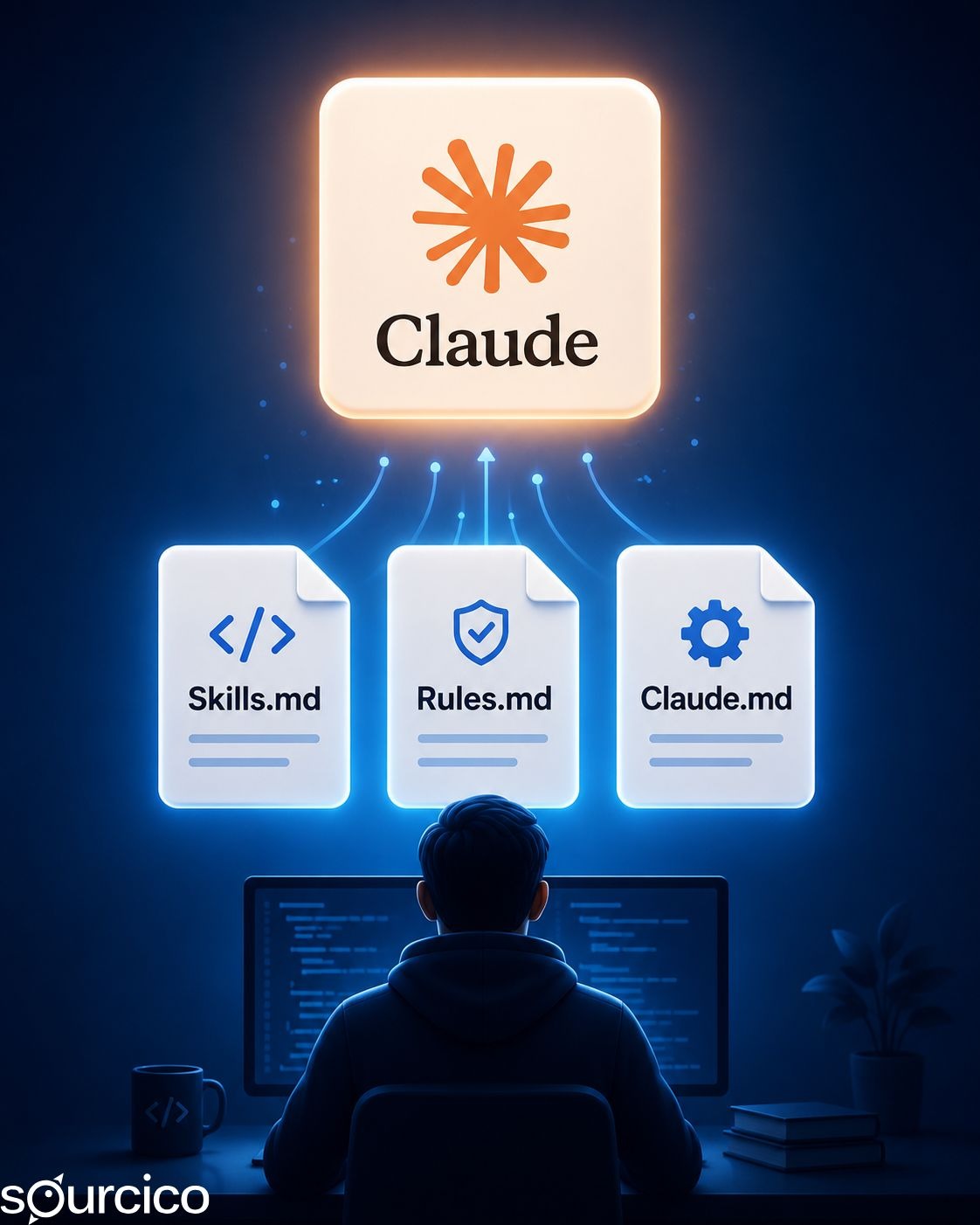
Skills encode how Claude performs specific tasks – including edge cases, pitfalls, and the institutional knowledge that only comes from debugging production at 2 am. Rules define your team’s architectural standards and make them legible to an AI collaborator. Claude configuration files determine whether your AI acts like a generic assistant or a deeply informed team member.
Together, they’re the operating system of your AI-augmented workflow. If they’re wrong, everything built on top of them is wrong – at scale, at speed.
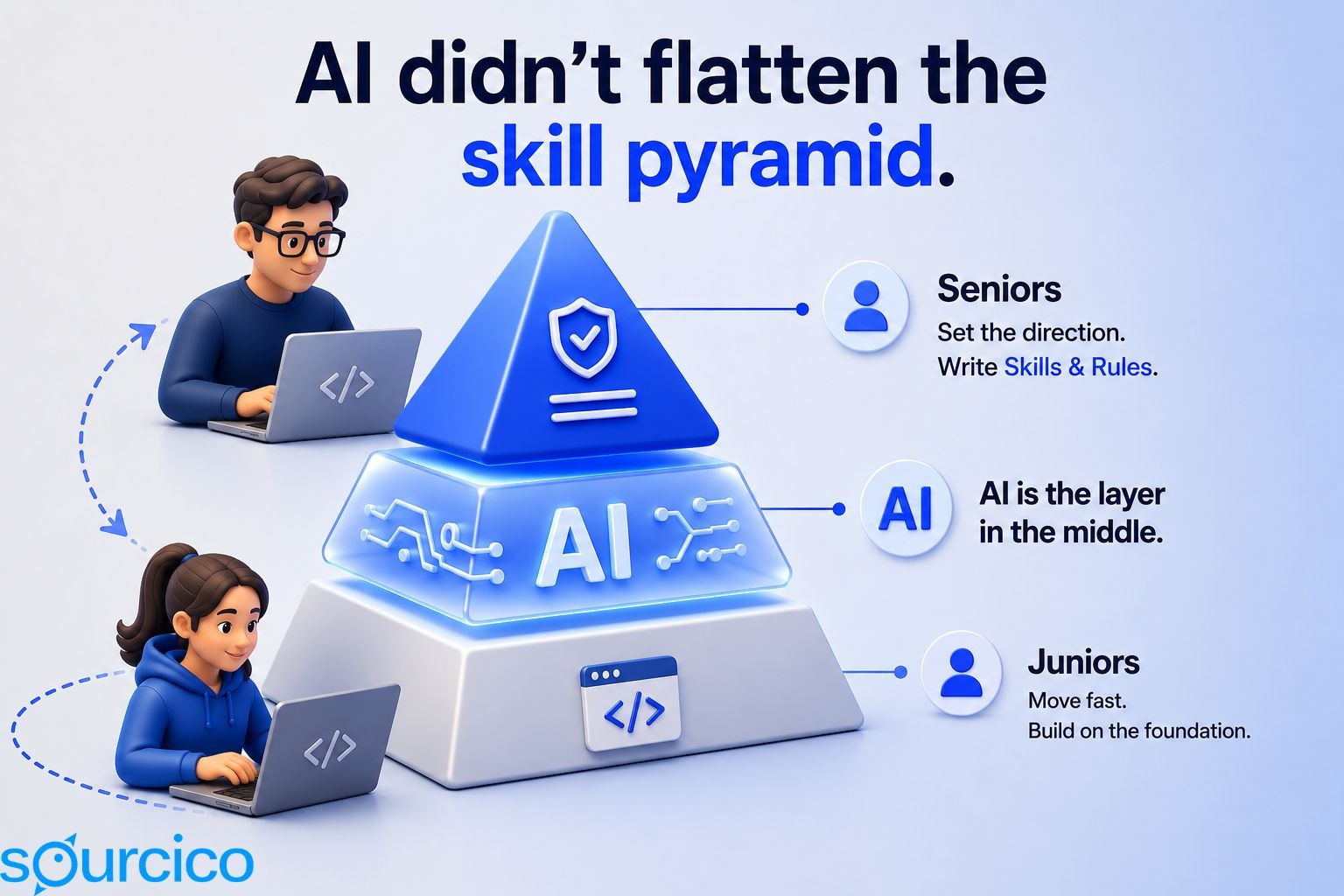
Junior engineers can write Skills that work most of the time. Senior engineers write Skills that handle the cases that matter – because they’ve lived through the failures that reveal what “most of the time” misses.
When these files are treated as low-priority documentation, the cost is invisible but real: inconsistent AI outputs, technical debt that looks correct on the surface, and new engineers who onboard to patterns that don’t reflect your actual standards.
The fix is simple, but it requires a mindset shift.
Treat .md configuration files like production code- version-controlled, reviewed, owned. Senior engineers write the first draft, not the last review. Schedule a quarterly pass the same way you’d schedule dependency updates.
The teams winning with AI aren’t the ones with the best subscriptions. They’re the ones where experienced engineers took the time to encode what they know into the configuration layer.
.md files are small. Their impact is not.
Other AI tools follow similar patterns — some use folders, config files, or proprietary formats instead of .md — but the principle is the same: the structure is only as good as the knowledge baked into it.
What does your team’s process look like for maintaining AI configuration files? We would love to hear what’s working and how Sourcico engineers are doing so.












 This website uses cookies to ensure you get the best experience on our website